

Block Blast and the Moment I Stopped Rushing My Moves
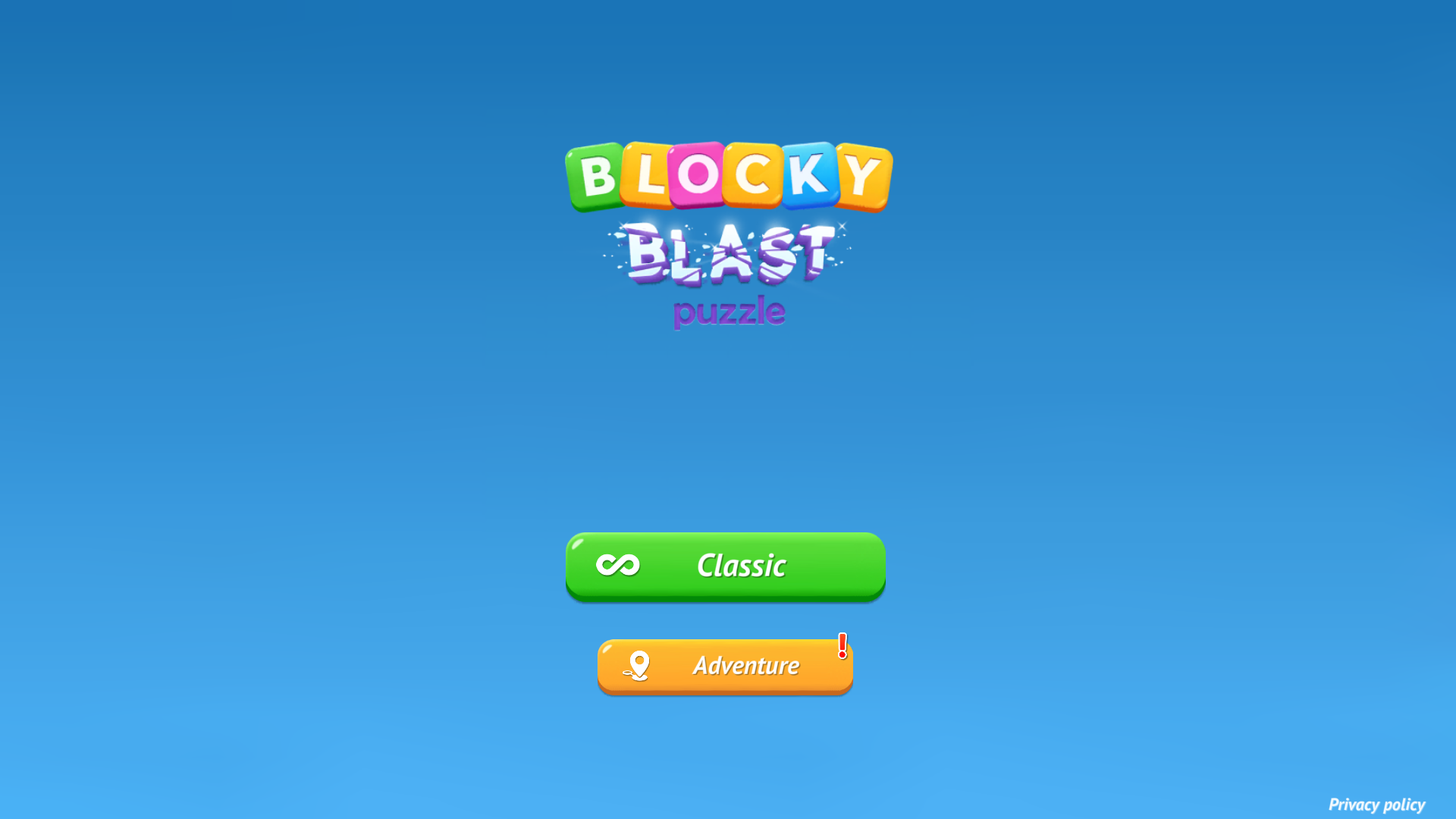
I found Block Blast on a random browsing session, the kind where you tell yourself you’ll only play something “for a minute.” The grid looked friendly, the pieces were bright, and the controls were as straightforward as drag-and-drop can get. My first few placements were basically me doing that thing where you assume the obvious spot will work out.
It usually didn’t.
At first, I thought I’d figure it out instantly. Place a block, clear a row or column, feel clever. But once the board starts filling up, the game stops being about “where can I put this?” and becomes about “what will this leave behind?” That’s the part that genuinely got me hooked.
The simple look vs. the tricky reality
Block Blast is a block placement puzzle game where you drag the available shapes onto the board and try to clear complete horizontal rows or vertical columns. The catch is that there are no falling pieces like in some other popular block games. Everything you place stays exactly where it lands, and the pieces can’t be rotated—so you’re stuck working with the orientation you get.
My early runs were full of overconfidence. I’d see an easy-looking spot, drop a piece in, and move on like I’d just solved the puzzle. Then I’d clear a line… and immediately realize I’d created this awkward little pocket on the side. Not a huge dead zone, just a weird isolated gap that felt manageable in the moment.
But isolated gaps are sneaky. They look small, until you keep placing pieces and realize they only fit one or two shapes you might not even get. And because you don’t get a fresh “stream” of falling pieces, you’re basically trying to predict the future using whatever shapes are currently available.
Keeping the board open (even when a clear tempts you)
One thing I noticed after a couple rounds is that it’s not always smart to chase the quickest clear. Sure, completing a row or column feels great—especially when one placement manages to clear multiple lines at once. That combo moment is like, “Okay, nice, I actually planned that.”
Still, the bigger win is keeping larger open areas. When I let one side get cluttered, it didn’t just limit my options—it made the remaining spaces feel weirdly “too specific.” Like the board starts demanding very particular shapes, and I’m just praying I’m about to receive them.
That’s when planning a few moves ahead finally clicked for me. Instead of asking, “Where can this piece go right now?” I started asking, “Where can it go that won’t lock me into a corner later?” The game ends when none of the currently available pieces can fit on what’s left, so every placement is kind of like writing a contract you’ll have to live with.
Mistakes I made (and what they taught me)
My most common mistake was placing an “obvious” piece too quickly. I’d rush because clearing a line feels like progress, and then I’d realize I’d handed the next piece to the wrong region of the board.
Another mistake: I underestimated how much the available pieces matter as a group. In Block Blast, the set of blocks you get isn’t just background flavor—it changes how you should think. Early on, I treated each piece like a standalone problem. Later, I started looking at all the available shapes together and thinking, “What kind of space can I preserve so at least one of these works?”
And honestly, I also learned the hard way that creating a gap “temporarily” is still creating a gap. Even if it feels like it’ll be fillable later, that’s only true if the later pieces match what you left behind.
My casual tips (the stuff I wish I knew earlier)
Here’s what helped me improve without turning the game into homework:
Try to keep space broad instead of hunting for tight spots. Big open areas give you options; little isolated gaps take them away.
Before placing, glance at what else you have available. The board strategy improves a lot once you stop treating pieces individually.
If you can clear multiple rows or columns with one move, enjoy it—but don’t ignore how that placement changes the shape of the remaining board. Sometimes a “perfect clear” still sets you up for trouble.
Finally: take advantage of the fact there’s no countdown timer. I don’t feel pressured, so I started slowing down and actually thinking through my next move instead of just reacting.
Give it a try—and play with me
I’m still learning, but that’s the best part. Block Blast feels simple until it suddenly doesn’t, and that’s exactly why I kept coming back for “one more game.” If you love puzzle games and enjoy slowly getting better at a system, it’s a good time.
If you try it, tell me what kind of placements you struggle with most—especially those awkward gap situations. Let’s play together and see who can keep the board open the longest.

 English
 Arabic
 French
 Spanish
 Portuguese
 Deutsch
 Turkish
 Dutch
 Italiano
 Russian
 Romaian
 Portuguese (Brazil)